Struggling with obesity and searching for natural, sustainable solutions?
Obesity is a complex health challenge affecting millions worldwide, often leading to a cascade of other health issues such as heart disease, diabetes, and joint problems. While conventional medicine offers various interventions, many individuals are increasingly seeking natural, holistic approaches to achieve sustainable weight loss and improve their overall well-being.
This comprehensive guide, authored by Dr. Nicole Parker and reviewed by Dr. Brian Torres, M.D., Board-Certified Endocrinologist, delves into the most effective and scientifically-backed natural weight loss remedies. We'll explore dietary strategies, lifestyle modifications, the role of natural supplements, and how to create a personalized plan for lasting relief from obesity, emphasizing a balanced and informed approach to health.
Understanding Obesity: More Than Just Weight
Obesity is a complex chronic disease characterized by excessive body fat that can impair health. It's not simply a matter of willpower, but a multifaceted condition influenced by genetics, environment, metabolism, and psychological factors.
The medical definition of obesity is typically a Body Mass Index (BMI) of 30 or higher. However, BMI doesn't tell the whole story, as muscle mass can skew results. More importantly, obesity is a risk factor for a host of serious health problems, including type 2 diabetes, heart disease, stroke, certain cancers, sleep apnea, and osteoarthritis. Understanding these underlying mechanisms is the first step towards finding effective weight loss remedies that work naturally.
The journey to overcome obesity often feels daunting, but focusing on sustainable, natural approaches can yield profound and lasting results. This involves not just shedding pounds, but cultivating a healthier relationship with food, improving physical activity, and addressing the mental and emotional aspects of weight management. Our goal is to empower you with knowledge and practical strategies.
💡 Key Takeaway
Obesity is a complex medical condition with significant health risks, requiring a holistic approach that goes beyond simple calorie counting to address genetic, environmental, and lifestyle factors for sustainable relief.
The Foundation of Natural Weight Loss: Diet and Nutrition
Your plate is the most powerful tool in your natural weight loss arsenal. What you eat directly impacts your metabolism, energy levels, satiety, and overall health.
Embrace Whole, Unprocessed Foods
Shift your diet towards whole foods like fresh fruits, vegetables, lean proteins (chicken, fish, beans), whole grains, and healthy fats (avocado, nuts, olive oil). These foods are rich in nutrients and fiber, which promote satiety and help regulate blood sugar, preventing the spikes and crashes that lead to cravings.
Prioritize Protein and Fiber
Protein is crucial for muscle repair and growth, and it's highly satiating, helping you feel full for longer. Fiber, found in plant-based foods, aids digestion, stabilizes blood sugar, and adds bulk to your meals without adding excessive calories. Together, they form a powerful duo for natural weight management.
Reduce Sugar and Refined Carbohydrates
Sugary drinks, pastries, white bread, and other refined carbohydrates contribute to insulin resistance and fat storage, particularly around the abdomen. Cutting these out drastically can lead to significant improvements in weight and metabolic health. Opt for natural sweeteners in moderation or choose whole fruits instead.
Practice Mindful Eating
Pay attention to your body's hunger and fullness cues. Eat slowly, savor your food, and avoid distractions like TV or smartphones. Mindful eating helps prevent overeating and promotes a healthier relationship with food. It’s about being present with your meals, not just consuming them.
Stay Hydrated
Often overlooked, drinking plenty of water throughout the day is vital. Water can help you feel full, boost metabolism, and is essential for all bodily functions. Sometimes, what feels like hunger is actually thirst. Aim for at least 8 glasses of water daily, more if you're active.
The Power of Movement: Exercise for Obesity Relief
Physical activity is an indispensable component of any effective natural weight loss strategy. It not only burns calories but also improves metabolic health, builds muscle, and enhances mood.
Starting an exercise regimen can be intimidating, especially for individuals living with obesity. The key is to begin slowly and gradually increase intensity and duration. Even modest increases in activity can have significant benefits. For example, simply walking more throughout the day can make a big difference. Aim for at least 150 minutes of moderate-intensity aerobic activity or 75 minutes of vigorous-intensity activity per week, along with muscle-strengthening activities on two or more days.
Combining various types of exercise is often the most effective approach. Aerobic exercises like brisk walking, jogging, swimming, or cycling are excellent for burning calories and improving cardiovascular health. Strength training, using weights or bodyweight, builds muscle mass, which is crucial because muscle burns more calories at rest than fat, thereby boosting your metabolism. Flexibility and balance exercises, such as yoga or Pilates, can also support overall physical well-being and prevent injuries, making other forms of exercise more accessible. Remember, consistency is more important than intensity in the beginning. Find activities you enjoy to ensure long-term adherence.
💡 Key Takeaway
Regular physical activity, combining aerobic and strength training, is vital for calorie expenditure, metabolism boost, and overall health, serving as a cornerstone for natural obesity relief.
Beyond Diet and Exercise: Holistic Lifestyle Factors
Sustainable weight loss isn't just about food and fitness; it's deeply intertwined with other lifestyle elements that often go unaddressed.
Prioritize Quality Sleep
Lack of sleep disrupts hormones that regulate appetite (ghrelin and leptin), leading to increased hunger and cravings, especially for high-calorie foods. Aim for 7-9 hours of quality sleep per night to support hormonal balance and metabolic function. Establishing a consistent sleep schedule and creating a relaxing bedtime routine can significantly improve your weight loss efforts.
Manage Stress Effectively
Chronic stress elevates cortisol levels, a hormone that promotes fat storage, particularly around the abdominal area. Stress can also lead to emotional eating and poor food choices. Incorporate stress-reduction techniques like meditation, yoga, deep breathing exercises, spending time in nature, or engaging in hobbies. Finding healthy coping mechanisms is critical for preventing stress-induced weight gain.
Address Emotional and Psychological Factors
Emotional eating, body image issues, and underlying psychological factors can significantly impact weight. Seeking support from a therapist or counselor can help identify and address these patterns, fostering a healthier relationship with food and your body. This often overlooked aspect is crucial for long-term success in weight management and can be a key part of how to improve weight loss naturally.
Build a Strong Support System
You don't have to go it alone. Enlist the support of family, friends, or a weight loss group. Having people who encourage your efforts and hold you accountable can make a significant difference. Sharing your journey and challenges can provide motivation and a sense of community, reinforcing positive habits.
Key Natural Ingredients for Weight Management Support
While diet and exercise are paramount, certain natural ingredients have shown promise in supporting weight loss efforts by influencing metabolism, appetite, and fat burning. These can be found in various foods or as concentrated extracts in supplements.
Green Tea Extract (EGCG)
Role: Rich in antioxidants, particularly EGCG, green tea extract is known to boost metabolism and enhance fat oxidation (the process of burning fat for energy). It can also help improve insulin sensitivity and reduce abdominal fat, making it a popular choice for natural cravings control formula products.
Typical dosage: 250-500 mg EGCG daily.
Garcinia Cambogia (HCA)
Role: Contains Hydroxycitric Acid (HCA), which is believed to suppress appetite by increasing serotonin levels and inhibit a fat-producing enzyme called citrate lyase. Studies suggest it may help reduce body weight and fat mass, though results can vary among individuals.
Typical dosage: 500-1500 mg HCA daily before meals.
Chromium Picolinate
Role: An essential trace mineral that plays a role in carbohydrate and fat metabolism. It's often used to improve insulin sensitivity, which can help regulate blood sugar levels, reduce cravings for carbs, and support more efficient nutrient utilization, contributing to better weight management.
Typical dosage: 200-1000 mcg daily.
Capsaicin (from Chili Peppers)
Role: The compound responsible for the heat in chili peppers, capsaicin has thermogenic properties, meaning it can slightly increase body temperature and boost metabolism. It may also help reduce appetite and increase fat burning, particularly around the abdominal area. It can be found in various forms, including supplements.
Typical dosage: 2-6 mg capsaicinoids daily.
Apple Cider Vinegar
Role: While not a direct fat burner, apple cider vinegar can help improve satiety, reduce blood sugar spikes after meals, and potentially improve metabolism. Its acetic acid content is thought to contribute to these benefits, making it a popular natural remedy for overall health and weight support.
Typical dosage: 1-2 tablespoons diluted in water daily.
Glucomannan
Role: A natural dietary fiber derived from the konjac plant. It absorbs water and expands in the stomach, creating a feeling of fullness and reducing appetite. It also slows down digestion, promoting stable blood sugar levels and reducing overall calorie intake, making it an excellent natural appetite suppressant.
Typical dosage: 1-4 grams daily, with plenty of water before meals.
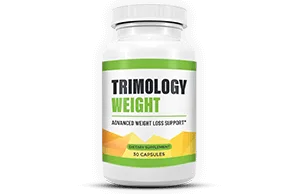
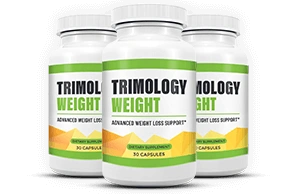
When considering natural supplements, it's crucial to choose high-quality products from reputable manufacturers. For example, Trimology is formulated with a blend of natural ingredients designed to support metabolic health and weight management as part of a balanced lifestyle. Always consult a healthcare professional before starting any new supplement, especially if you have existing health conditions or are taking medications.
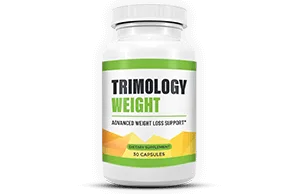
Ready to Support Your Natural Weight Loss Journey?
Trimology is a premium natural supplement designed to complement your efforts in achieving sustainable weight loss. Formulated with a synergistic blend of clinically studied ingredients, Trimology aims to target key aspects of weight management, offering a supportive boost to your diet and exercise regimen.
- ✓ Supports healthy metabolism and fat burning
- ✓ Helps reduce cravings and control appetite
- ✓ Boosts energy levels naturally
- ✓ Made with 100% natural, non-GMO ingredients
- ✓ Manufactured in a GMP-certified facility in the USA



Creating Your Personalized Natural Weight Loss Plan
The most effective weight loss journey is a personalized one. There's no one-size-fits-all solution, and what works for one person might not work for another.
Begin by setting realistic and achievable goals. Instead of aiming to lose a large amount of weight quickly, focus on sustainable changes that you can maintain long-term. This might mean losing 1-2 pounds per week, which is a healthy and manageable rate. Track your progress, not just on the scale, but also through measurements, how your clothes fit, and your energy levels. Celebrate small victories to stay motivated.
Consider consulting with healthcare professionals, such as a doctor, a registered dietitian, or a certified personal trainer. They can help you assess your current health status, identify any underlying conditions, and create a tailored plan that considers your individual needs, preferences, and limitations. A doctor can also advise on the suitability of supplements like Trimology for your specific health profile. Remember, consistency and patience are key. Natural weight loss is a journey, not a sprint, and sustainable results come from consistent effort and a holistic approach to your health.
Real Stories, Real Results with Natural Support
"I've tried so many diets over the years, but Trimology, combined with my new walking routine, has truly made a difference. I feel more energetic, and my cravings are finally under control. I'm down 15 pounds and feel fantastic!"
"As someone who struggled with emotional eating, finding natural ways to manage my appetite was huge. Trimology helped curb my constant snacking, and I've learned to make healthier choices. It's been a game-changer for my metabolic health."
"I was skeptical about supplements, but after researching the ingredients, I gave Trimology a try. Alongside a balanced diet, it's helped me feel less bloated and more focused on my goals. My energy levels are noticeably higher without jitters."
Frequently Asked Questions
What are the most effective natural approaches to weight loss?
+The most effective natural approaches combine a balanced, whole-foods diet, regular physical activity, adequate sleep, stress management, and consistent hydration. Focusing on nutrient-dense foods, portion control, and mindful eating habits can create a sustainable path to weight loss and overall well-being.
How can diet support natural weight loss for obesity?
+Diet plays a crucial role. Prioritize whole, unprocessed foods like lean proteins, fruits, vegetables, and healthy fats. Reduce intake of refined sugars, processed carbs, and unhealthy fats. Incorporating fiber-rich foods helps with satiety and digestive health, while protein supports muscle mass and metabolism. Consulting a nutritionist can help tailor a plan.
Is regular exercise truly necessary for natural weight loss?
+Yes, regular exercise is indispensable. It burns calories, builds muscle mass (which boosts metabolism), improves cardiovascular health, and enhances mood. A combination of aerobic exercises (like walking, running, swimming) and strength training is ideal. Aim for at least 150 minutes of moderate-intensity or 75 minutes of vigorous-intensity exercise per week, as recommended by health guidelines.
Can stress and sleep impact natural weight loss efforts?
+Absolutely. Chronic stress can lead to increased cortisol levels, promoting fat storage, especially around the abdomen, and can trigger emotional eating. Poor sleep disrupts hormones that regulate appetite (ghrelin and leptin), leading to increased hunger and cravings. Prioritizing stress reduction techniques and 7-9 hours of quality sleep nightly is vital for weight management.
When should I consider natural weight loss supplements like Trimology?
+Natural weight loss supplements, such as Trimology, can be considered as a supportive measure once foundational lifestyle changes (diet, exercise, sleep, stress management) are in place. They are designed to complement these efforts by potentially boosting metabolism, reducing cravings, or supporting fat burning. Always consult your healthcare provider before adding any new supplement to your routine, especially if you have underlying health conditions.
Are there any risks associated with natural weight loss remedies?
+While natural remedies are generally considered safe, risks can exist, especially if not used correctly or if combined with certain medications. Some herbs can interact with drugs or have side effects. It's crucial to research thoroughly, choose reputable brands, and always consult a healthcare professional before starting any new natural remedy or supplement, particularly if you have pre-existing health conditions.
Related Articles